Trusted plumbing experts serving Norman Oklahoma for over 30 years
What’s Covered on This Page
- One Slow Drain vs. a Whole-House Backup: Know the Difference
- Signs Your Sewer Line Needs Cleaning Now
- When a Plunger or DIY Fix Is Enough
- What Causes Sewer Line Clogs
- What Happens During a Sewer Cleaning Visit
- How often should my sewer line be cleaned to stop clogs from coming back?
- Can hydro jetting damage old or fragile pipes?
- Will sewer cleaning fix a bad smell in my yard?
One Slow Drain vs. a Whole-House Backup: Know the Difference
Before you call anyone, it helps to know which kind of problem you have. Sewer cleaning and a simple drain clog aren’t the same job. Mixing them up can cost you time, money, and a mess on the floor.
Every drain in your home feeds into one main line that carries waste out to the city sewer. A clog in a small branch line only affects that one fixture. A clog in the main line affects everything upstream of it.
Say your bathroom sink drains slow, but the kitchen, tub, and toilets work fine. That’s a single-drain clog. Hair, soap, or grease is probably stuck a few feet down that one pipe.
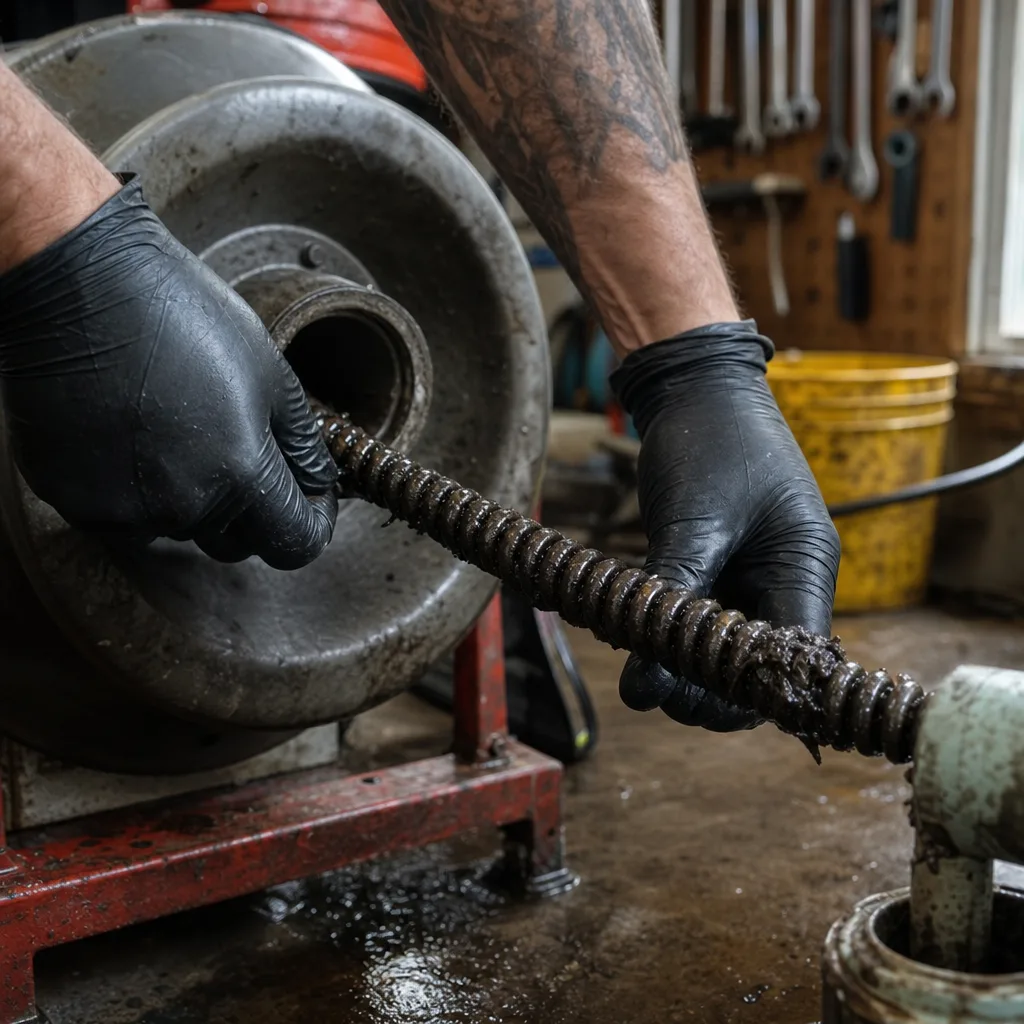
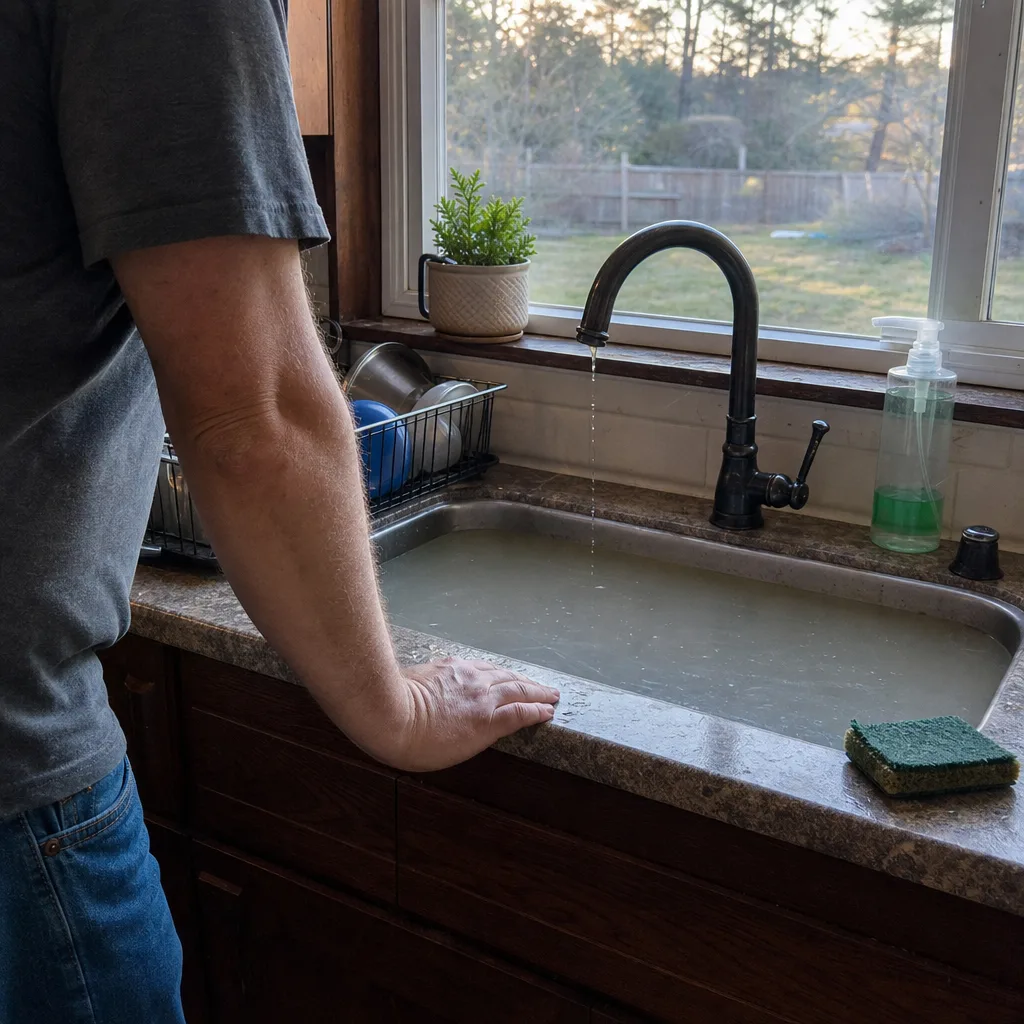
Now picture this. You flush the toilet and water bubbles up in the shower. Or you run the washing machine and the tub fills with dirty water. That’s not a sink problem. Water is backing up because it can’t get out of the house.
Here are the signs that point to your main sewer line:
- More than one drain is slow or clogged at the same time.
- Your lowest drains back up first, like a shower, tub, or floor drain.
- Flushing a toilet makes water rise or gurgle in another fixture.
- You hear gurgling from drains or toilets when nothing is running.
- There’s a sewage smell inside or near your yard cleanout.
- Water or waste comes up out of the outdoor cleanout pipe.
Your lowest drains back up first for a simple reason. Water finds the easiest way out. When the main line is blocked, the lowest opening in the house is where it overflows.
A quick test can help. Run water in one sink for a minute and watch the other drains nearby. Then flush a toilet and check the tub. If water moves where it shouldn’t, stop using water as much as you can. Every load of laundry or long shower adds to the backup.
Store-bought drain chemicals won’t fix a main line clog. They’re made for small, soft clogs near the drain opening. A main line blockage can be built-up grease, wipes, or tree roots far down the pipe, well past where those products can reach.
If it’s just one fixture, you may not need sewer work at all. A plunger or a basic drain cleaning usually takes care of it. We’ll tell you straight if that’s all you need.
If you’re seeing two or more of the signs above, the main line is the place to look. That’s where cleaning the full sewer line, not just one drain, keeps the same backup from coming right back.
Signs Your Sewer Line Needs Cleaning Now
Once you know the problem is in your main line, the next question is how fast you need help. Some signs mean you should call today. Others mean you should get on the schedule soon, before a small problem turns into a big one.
Call right away if any of these are happening:
- Sewage is on your floor or coming up through a tub, shower, or floor drain.
- Water backs up and won’t go down, even after you’ve stopped using water.
- None of your toilets will flush without backing up somewhere else.
- Dirty water is spreading toward carpet, walls, or anything you can’t easily clean.
These can’t wait for a weekday. Raw sewage damages floors fast, and every hour adds to the cleanup. That’s why we offer 24/7 emergency plumbing service for urgent problems like this.
Other signs aren’t emergencies yet, but they’re telling you something. Don’t brush them off.
- The same clog keeps coming back a few weeks or months after you cleared it.
- You’ve had a drain snaked recently, and it’s already slowing down again.
- You see a soggy patch of ground or a strip of extra-green grass in the yard, along the path your sewer line runs.
- Your drains have gotten slower over time, and you have big trees near the line.
A clog that keeps coming back is one of the clearest signs. A basic snake often just pokes a hole through the blockage. Water flows again for a while, but the grease, scale, or roots stuck to the pipe walls are still there, and they catch new debris. A full sewer cleaning clears the inside of the pipe, not just a path through the middle.
Yard clues matter too. Wet spots or unusually green grass can mean waste is leaking from the line and feeding the soil. Tree roots look for water, and a slow leak in a sewer pipe is an easy target.
Waiting rarely makes these problems cheaper. A partial blockage tends to become a full backup at the worst time, like a holiday weekend with a full house. Roots that slip into a small crack keep growing and can widen it. That can turn a cleaning job into a sewer line repair.
Not sure what’s going on down there? A sewer camera inspection shows exactly what’s inside the pipe, whether that’s roots, buildup, or a break. Then you know if cleaning will fix it or if the line needs more work.
Either way, you won’t be guessing. We give a free estimate, so you’ll know what we found and what we recommend before any work starts.
When a Plunger or DIY Fix Is Enough
Plenty of clogs never need a plumber, let alone sewer cleaning. If only one fixture is giving you trouble and nothing else in the house is acting up, there’s a good chance you can handle it yourself.
Here’s when a DIY fix makes sense:
- It’s one sink, tub, or toilet, and every other drain works normally.
- This is the first time that drain has clogged in a long while.
- You know what caused it, like a kid’s toy in the toilet or a lot of hair after a haircut.
- The drain is slow but still moving, and nothing is backing up anywhere else.
Start with the right plunger. A toilet needs a flange plunger, the kind with a rubber flap that sticks out of the bottom. A sink or tub works better with a flat cup plunger. Using the wrong one is a common reason plunging doesn’t work.
For a bathroom sink or tub, the clog is often right at the top. Pull out the stopper and clean off the hair and gunk wrapped around it. That alone fixes a lot of slow bathroom drains.
Under a sink, you’ll see a curved pipe called the P-trap. Put a bucket underneath, unscrew the slip nuts by hand, and empty it out. Things like rings, bottle caps, and grease clumps tend to collect there.
A small hand auger from the hardware store can reach a few feet past the trap. It’s handy for a stubborn tub or sink clog that a plunger won’t budge.
If you’ve already poured a drain chemical in, hold off on plunging. You don’t want that water splashing back at you.
Sometimes the right move is just to wait and watch. A kitchen sink that drains a little slower than it used to, with no smell, no gurgling, and no trouble anywhere else, isn’t an emergency. Keep grease and food scraps out of it, run plenty of water after use, and see whether it gets worse.
A few habits keep single-drain clogs from coming back:
- Use a hair catcher in showers and tubs.
- Wipe greasy pans with a paper towel before washing them.
- Flush only toilet paper, even if wipes say flushable.
- Keep coffee grounds and eggshells out of the garbage disposal.
There’s also a point where it’s time to put the plunger down. If you’ve given it a solid effort and the water still won’t move, more force won’t help. The clog is probably farther down than your tools can reach.
The same goes for a clog you’ve cleared twice and that came back both times. And if any of the main line signs from earlier start showing up while you work, such as water rising in another fixture, stop running water and stop plunging.
Even then, it may only need a basic drain cleaning, not a full sewer job. One stuck fixture is a small problem, and it should stay a small fix.
Thinking about Sewer Cleaning? Let’s talk.
Call for an estimate. Brandon’s Plumbing is ready to help.
What Causes Sewer Line Clogs
Most sewer line clogs don’t happen overnight. They build up slowly, one dinner, one flush, and one season at a time, until the day the pipe can’t keep up.
Knowing what caused yours matters. A clog from grease needs a different fix than a clog from roots or a sagging pipe. If you only clear the blockage and ignore the cause, it’ll be back.
Here are the most common culprits.
Grease, oil, and fat. These go down the kitchen sink warm and liquid. Then they cool off in the pipe and turn thick and sticky. Over time they coat the inside of the line like plaque in an artery. Food scraps and soap stick to that coating, and the opening keeps getting smaller.
Wipes and paper products. Baby wipes, cleaning wipes, and makeup wipes don’t fall apart in water the way toilet paper does, even when the package says flushable. The same goes for paper towels, cotton balls, dental floss, and feminine products. They snag on rough spots in the pipe and grab everything that comes after them.
Tree roots. Roots that find a crack or loose joint don’t stop growing once they’re inside. They spread into a net that catches paper and waste. Older sewer lines built from short sections of clay pipe have lots of joints, so roots have more places to get in.
Scale and rough pipe walls. Older cast iron pipe slowly rusts and builds up crusty scale on the inside. That rough surface grabs debris that would slide right past in a smooth pipe. It also shrinks the space water has to flow through.
A sag or belly in the line. Sometimes a section of pipe sinks lower than the rest as the ground shifts under it. Water and waste settle in that low spot instead of flowing out. Solids pile up there again and again, no matter how many times you clear them.
Broken or shifted pipe. A crack, a collapsed section, or two pipe ends that have slipped out of line can stop flow cold. Cleaning can help for a while, but it can’t fix a pipe that’s physically damaged.
Things that just shouldn’t be there. A kid’s toy, a diaper, or a chunk of something from a remodel can lodge in the main line. These are usually one-time clogs, and once they’re out, they’re done.
In real life, clogs usually come from more than one of these at once. Grease narrows the pipe. Then a few wipes catch on a root that slipped through a joint. Then one busy weekend of laundry and showers is all it takes to back everything up.
That’s why we care about what’s behind the clog, not just the clog itself. If the problem is buildup on the pipe walls, a full cleaning that scrubs the inside of the line is the answer. If it’s roots, they need to be cut out, and you should expect them to try to grow back. If it’s a belly or a break, cleaning buys time, but sewer line repair may be the real fix.
A camera inspection, which we covered above, is how you find out which one you’re dealing with. Once you know the cause, you can fix the problem for good instead of clearing the same clog every few months.
Watch Our Video
See How We Handle Sewer Cleaning in
Brandon’s Plumbing
What Happens During a Sewer Cleaning Visit
A sewer cleaning isn’t a mystery job. Once you know the basic steps, it’s easier to tell whether the job you’re paying for fixes the problem or just gets water moving for a few weeks.
Here’s how a sewer cleaning generally goes, from start to finish.
- Talking through what you’ve noticed. Which drains backed up first, when it started, and whether it’s happened before all help point to the cause.
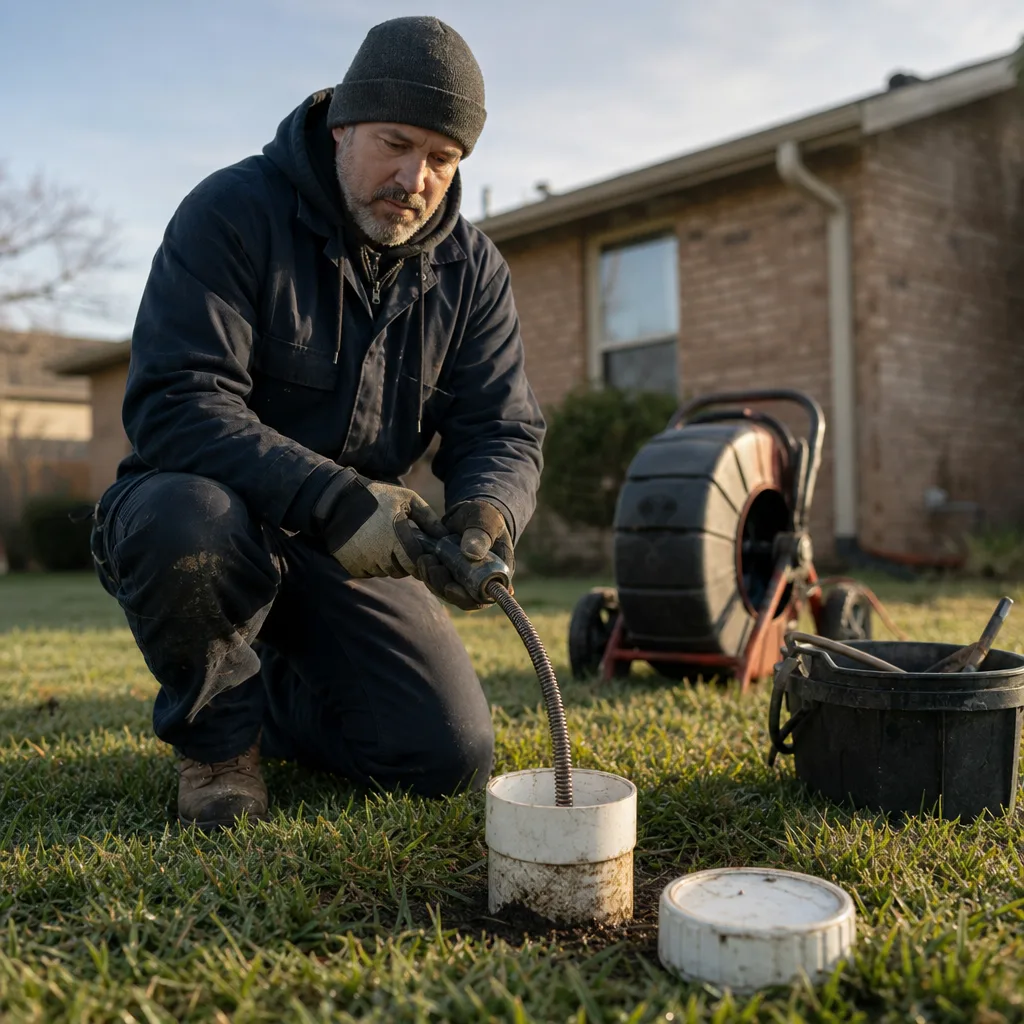
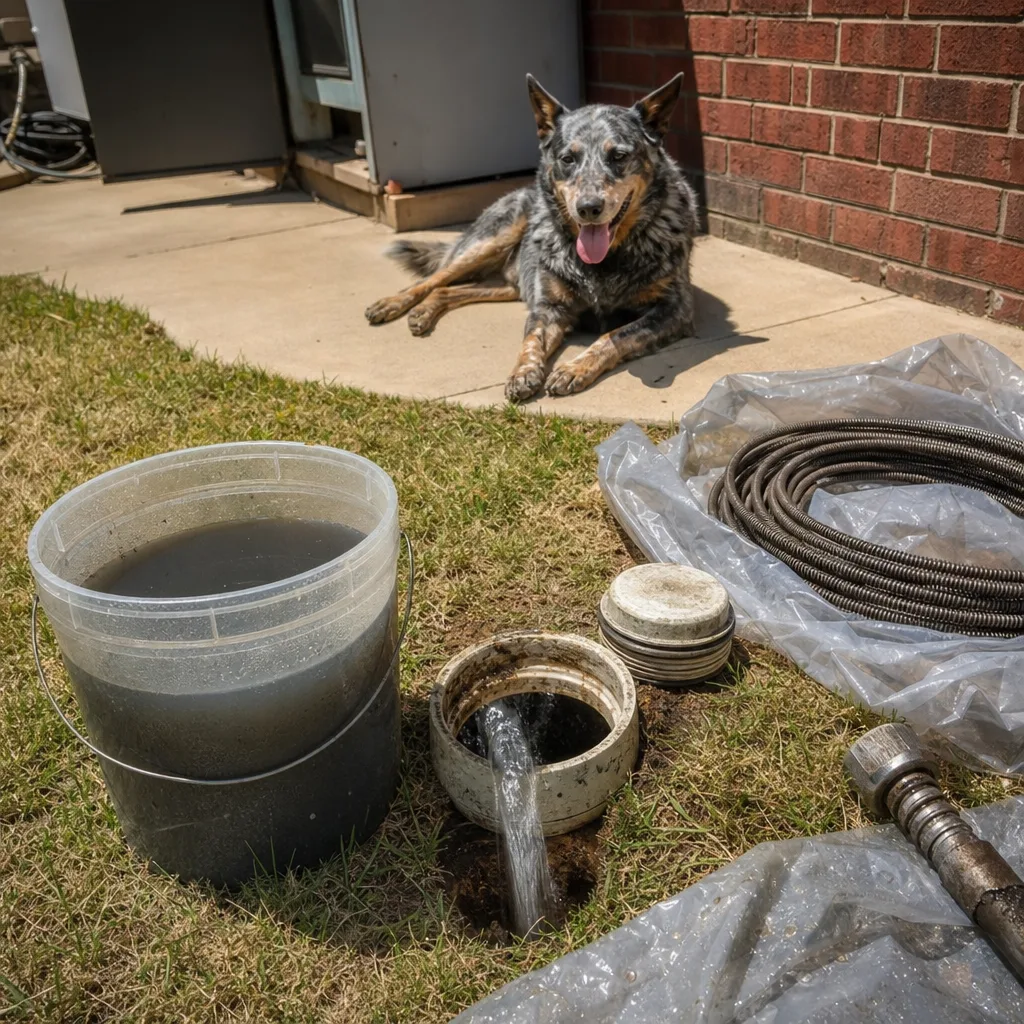
- Finding a way into the line. Most homes have an outdoor cleanout, a short capped pipe sticking out of the ground near the house. If there isn’t one, the line may be reached through a toilet opening or another access point inside.
- Clearing the blockage. This is the part that gets water flowing again.
- Cleaning the pipe walls. This is the part that keeps it flowing.
- Checking the results. Running water through the system shows whether the line drains the way it should.
Clearing the blockage and cleaning the pipe walls aren’t the same thing. That difference is the whole point of a real sewer cleaning.
A cable machine with a cutting head can punch through a clog and chop up roots. That’s often the first step when the line is fully blocked. But the cable is narrower than the pipe, so it can leave grease and scale stuck to the sides.
Hydro jetting goes further. It sends high-pressure water through the line and scours the pipe walls all the way around. That washes out the buildup that would otherwise catch the next clog. Hydro jetting is one of the services we offer, along with standard drain cleaning.
Which method fits depends on what’s in your pipe and what shape the pipe is in. Old, fragile pipe needs a different approach than a solid line packed with grease. That’s one reason a camera look is so useful before or after the work. You can see whether the line came out clean or whether there’s a break or a sag that cleaning can’t fix.
If the camera turns up damage, you’ll hear about it plainly. Sometimes cleaning is enough for now. Sometimes the honest answer is that the line needs sewer line repair or replacement, and cleaning would just be paying for the same visit again later.
A few things you can do before the plumber shows up:
- Stop using water as much as you can, including laundry, the dishwasher, and showers.
- Find your outdoor cleanout if you know where it is, and clear away anything piled on or around it.
- Move rugs, towels, and anything else away from the drains that backed up.
- Put pets in another room so the work area stays clear.
- Write down when each drain started acting up. Those details help find the cause faster.
You shouldn’t have to agree to anything before you understand it. We give a free estimate, so you’ll know what we plan to do and why before any work starts.
Frequently Asked Questions
Common questions about Sewer Cleaning
How often should my sewer line be cleaned to stop clogs from coming back?
It depends on what’s causing your clogs, but homes with tree roots or older pipe often need cleaning every year or two to stay ahead of buildup. If grease or scale is the issue, staying on top of what goes down your drains stretches the time between cleanings. A camera inspection shows how fast buildup is returning in your specific line, so you’re not guessing on timing.
Can hydro jetting damage old or fragile pipes?
It can if the pipe is already cracked or badly corroded, which is why checking pipe condition matters before jetting. A cable machine or a gentler approach may fit old, fragile pipe better than high-pressure water. That’s one reason a camera look at the line helps decide which cleaning method is the safer fit for your home.
Will sewer cleaning fix a bad smell in my yard?
It can, if the smell is coming from a leak feeding the soil near your line. A soggy patch or extra-green strip of grass along the sewer path often means waste is seeping out through a crack. Cleaning clears blockage and buildup, but a leak from a broken section needs repair, not just cleaning, to stop the smell for good.