Trusted plumbing experts serving Norman Oklahoma for over 30 years
What’s Covered on This Page
- Signs Point to a Sewer Line Problem, Not Just a Clog
- A Single Slow Drain Usually Isn’t a Sewer Line Emergency
- Camera Inspection Comes Before Any Repair Recommendation
- Spot Repair vs. Full Line Replacement Depends on What the Camera Finds
- What Drives Sewer Line Repair Cost
- Will homeowners insurance cover a broken sewer line?
- Can a clogged sewer line be fixed without digging up my yard?
- How long does a sewer line repair usually take?
Signs Point to a Sewer Line Problem, Not Just a Clog
Here’s the simplest way to think about it. Every drain in your house feeds into one main sewer line that runs out to the city connection or your septic system.
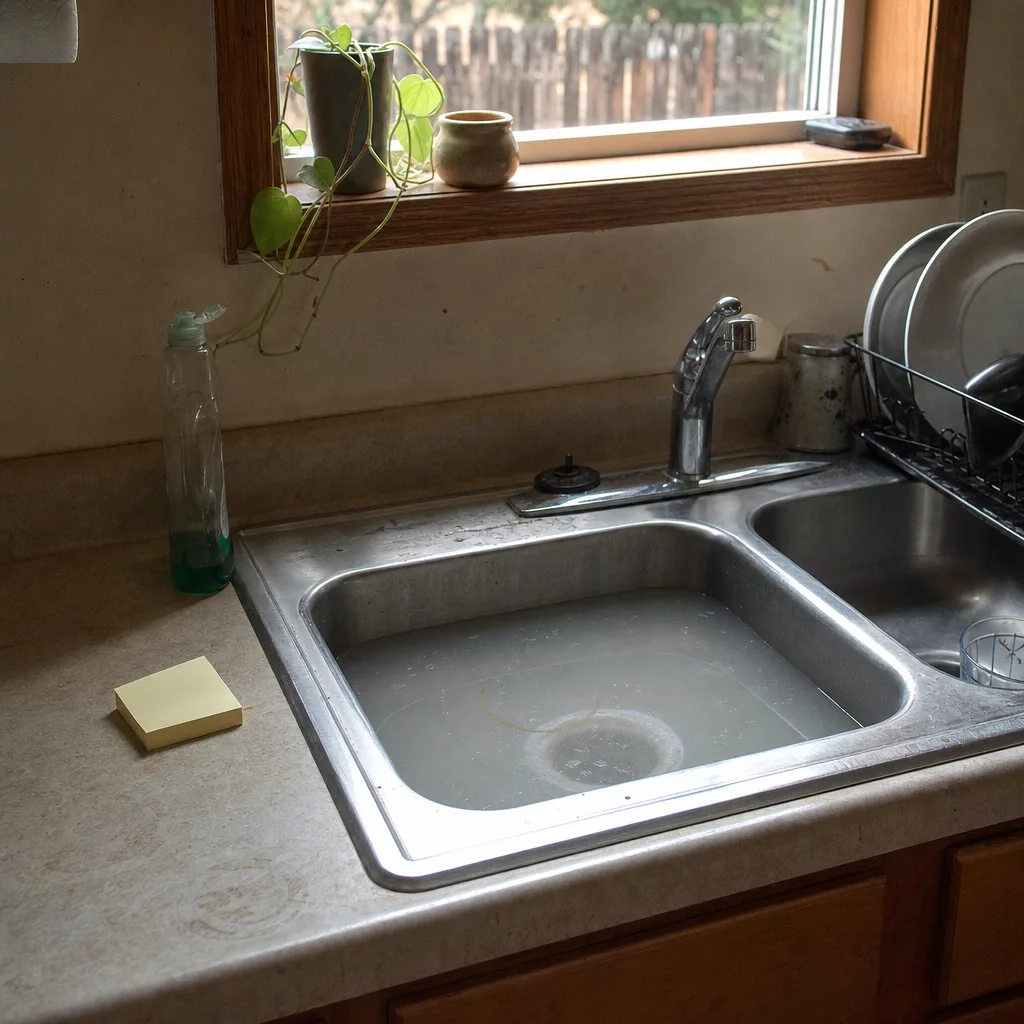
When one sink is slow, the problem is usually in that sink’s pipe. When the whole house acts up, the problem is usually in the line they all share.
These are the signs that point to the main line:
- More than one drain is slow or backed up at the same time, especially on the lowest floor of the house.
- Flushing the toilet makes water bubble up in the tub or shower.
- You hear gurgling from a drain or toilet when you run water somewhere else in the house.
- Water backs up out of a floor drain or the lowest tub in the house.
- You smell sewage inside the house or near the cleanout in the yard.
- Part of your lawn stays wet, sinks a little, or grows greener and thicker than the rest, even when it hasn’t rained.
- You’ve cleared the same clog more than once, and it keeps coming back within weeks.
That last one matters more than people think. A plunger or a store-bought snake can poke a hole through a blockage and get water moving again. It can’t fix a pipe that’s cracked, sagging, or full of roots. The drain works for a little while, then you’re right back where you started.
Here’s how that often plays out. You notice the kitchen sink draining slow. A few days later, the toilet gurgles when the washing machine drains. Then there’s a damp patch by the sidewalk that wasn’t there last month. Each one seems small. Put together, they’re telling you the same thing.
Tree roots are a common reason a line gives you trouble. Roots go looking for water, and a small crack or loose joint in a sewer pipe gives them a way in. Once they’re inside, they grow and catch everything that goes down the drain.
Age plays a part too. Older sewer pipes can crack, shift, or sag over time. A low spot in the line lets waste settle instead of flowing out, and that creates the same clog over and over.
One quick check you can do yourself is to notice where the problem shows up. If only the bathroom sink is slow and everything else drains fine, you’re probably dealing with hair and soap in that one pipe. That’s a regular drain cleaning job, not a sewer repair.
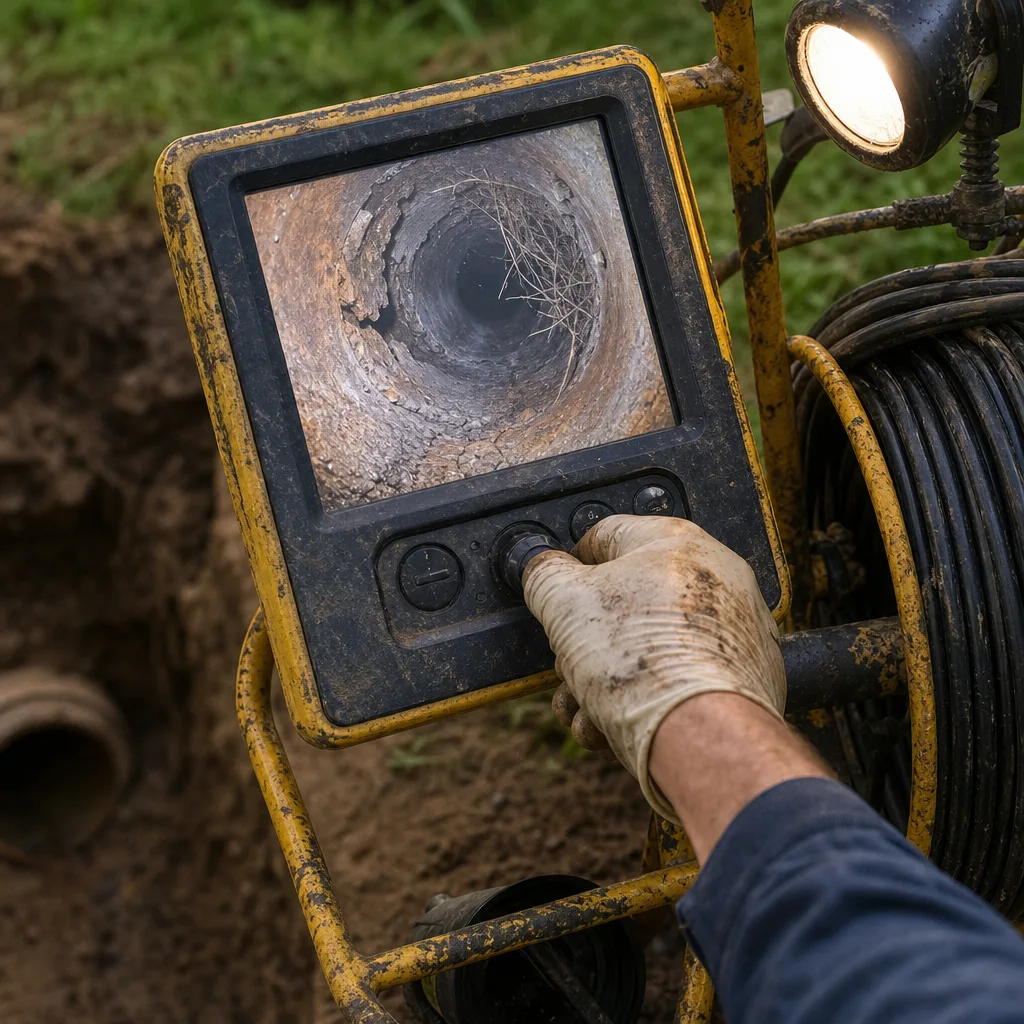
If the signs are spread across the house, or they show up outside, guessing gets expensive. The only way to know what’s really going on down there is to look. That’s what a sewer camera inspection is for. It shows us the inside of the pipe so we can tell you whether it’s roots, a crack, a sag, or just a stubborn blockage.
Knowing which one you have is what decides the fix. It also keeps you from paying for a repair you don’t need.
A Single Slow Drain Usually Isn’t a Sewer Line Emergency
If one drain is slow and everything else in the house drains fine, you almost never need sewer line repair. That’s a problem in one pipe close to that fixture, and it usually isn’t urgent.
We’d rather tell you that up front than have you worry about a dug-up yard over a sink full of hair.
Each fixture in your house tends to clog for its own reasons:
- Bathroom sinks slow down from hair, soap, and toothpaste building up near the stopper.
- Showers and tubs catch hair, and it gets worse over months, not overnight.
- Kitchen sinks collect grease and food scraps that stick to the pipe walls.
- A single toilet backs up when it gets too much paper or something that shouldn’t be flushed.
None of those mean your main line is failing. They mean one pipe needs cleaning.
A lot of the time, you can handle it yourself. Pulling the stopper and clearing out the hair, cleaning the strainer basket, or using a plunger on a toilet fixes many of these clogs in a few minutes.
It’s also fine to wait and watch for a bit. If the drain is slow but still going down, there’s no smell, and no other fixture acts up, you’re not looking at an emergency. Keep an eye on it for a week or so.
While you watch, run a quick test. Fill the slow sink, then flush a toilet or run the washer and look at the other drains. If nothing else gurgles or backs up, the problem is staying in that one pipe.
If the clog won’t budge, that’s a job for drain cleaning, not sewer repair. It’s a smaller job, it costs less, and it doesn’t involve digging. Any plumber who looks at one slow bathroom sink and tells you to replace your sewer line should be able to show you why, ideally with camera footage of the pipe.
There are a few times one drain is worth a closer look, even if it’s the only one acting up:
- It’s the lowest drain in the house, like a floor drain or a downstairs tub, since water from the main line backs up there first.
- Water comes up out of it instead of just draining slowly.
- You clear it and it’s slow again within a couple of weeks.
- You notice a sewage smell along with it.
Those line up with the main line signs above. If you’re not seeing any of them, take a breath. One slow drain is a nuisance, not a disaster, and it doesn’t need a sewer crew.
Camera Inspection Comes Before Any Repair Recommendation
Nobody should tell you what your sewer line needs until someone has looked inside it. A camera inspection turns a guess into a plan. It’s also what keeps a small fix from turning into a big bill.
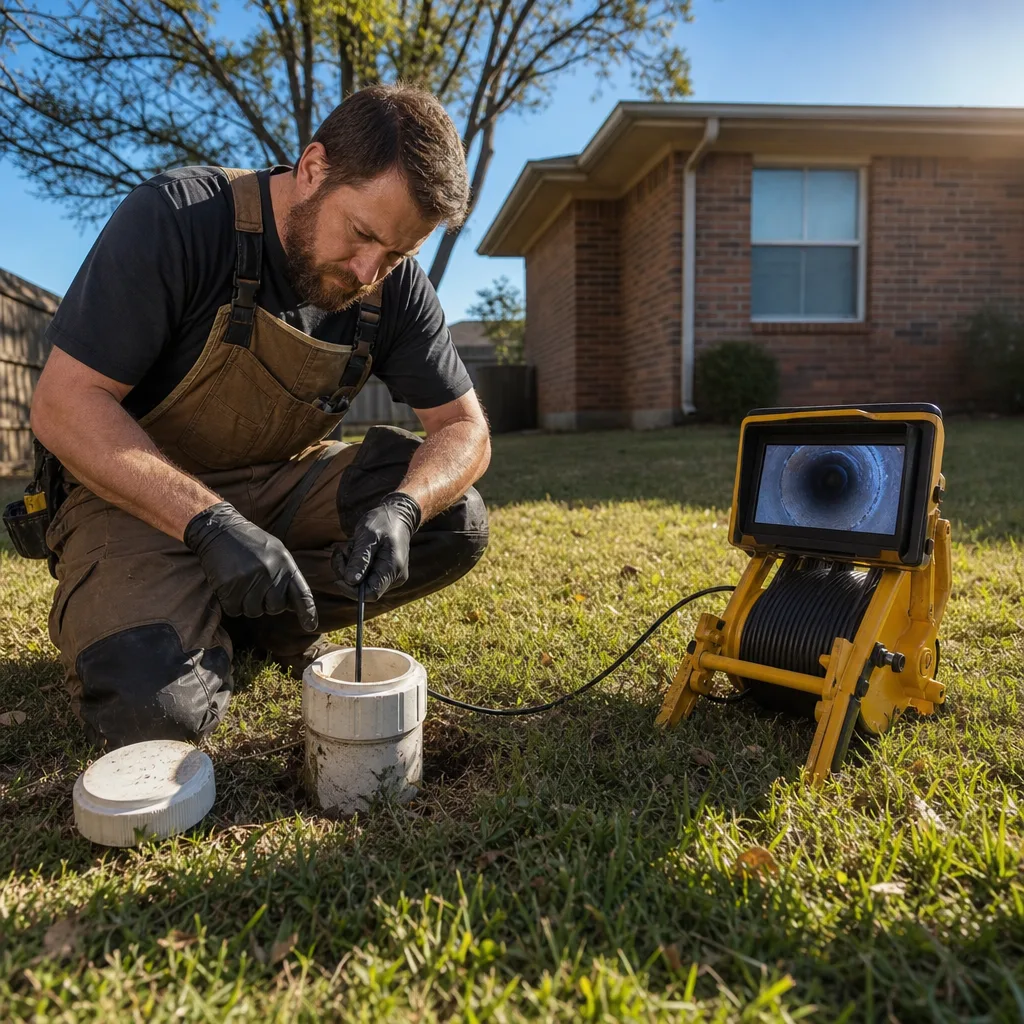
The camera is small and waterproof, and it sits on the end of a long, flexible cable. It usually goes in through the cleanout, which is the capped pipe sticking out of the ground near your house. As it moves down the line, you get a live picture of the inside of the pipe.
What matters most is what the footage answers:
- Where the problem is, measured in feet from the cleanout, so any digging happens in the right spot.
- Whether it’s one bad spot or trouble along the whole line.
- What the pipe is made of, since older materials tend to fail in different ways than newer plastic pipe.
- Whether a blockage is just a blockage or something holding it in place, like a broken section.
Those answers change the job in a big way. Say there’s one cracked joint with roots poking in, and the rest of the pipe looks solid. That’s often a fix for one spot. Now say the camera shows cracks and sags every few feet. Patching one of them won’t solve anything, and replacing the line starts to make more sense.
Without the camera, you’re stuck guessing between those two. Guess too small, and you pay for a repair and still have the problem. Guess too big, and you pay to replace pipe that had years left in it.
The camera also helps after a drain cleaning or hydro jetting. Once a clog is cleared, the pipe walls are easier to see. Sometimes the line looks fine and the clog was the whole story. That’s good news, and it means no repair at all.
Our team offers sewer camera inspections, and our estimates are free. Whoever you call, here’s what to ask before you agree to any sewer line repair:
- Can I see the footage of the problem spot?
- How far from the cleanout is it, and about how deep?
- Is it one spot, or are there more problems down the line?
- Why this repair and not a smaller one?
A good plumber won’t mind any of those questions. The footage should match what you’re being told. If someone recommends tearing up your yard and can’t show you why, get a second look before you sign anything.
Cost works the same way. An inspection is a small piece of the total compared with digging and replacing pipe. Spending a little to see the problem is how you avoid spending a lot on the wrong fix.
Ready when you are – get in touch today.
Call for an estimate. Brandon’s Plumbing is ready to help.
Spot Repair vs. Full Line Replacement Depends on What the Camera Finds
If the camera finds one bad spot in an otherwise healthy pipe, a spot repair is usually the right call. If it finds trouble along much of the line, replacing the whole thing is often the smarter money. The footage decides it, not a sales pitch.
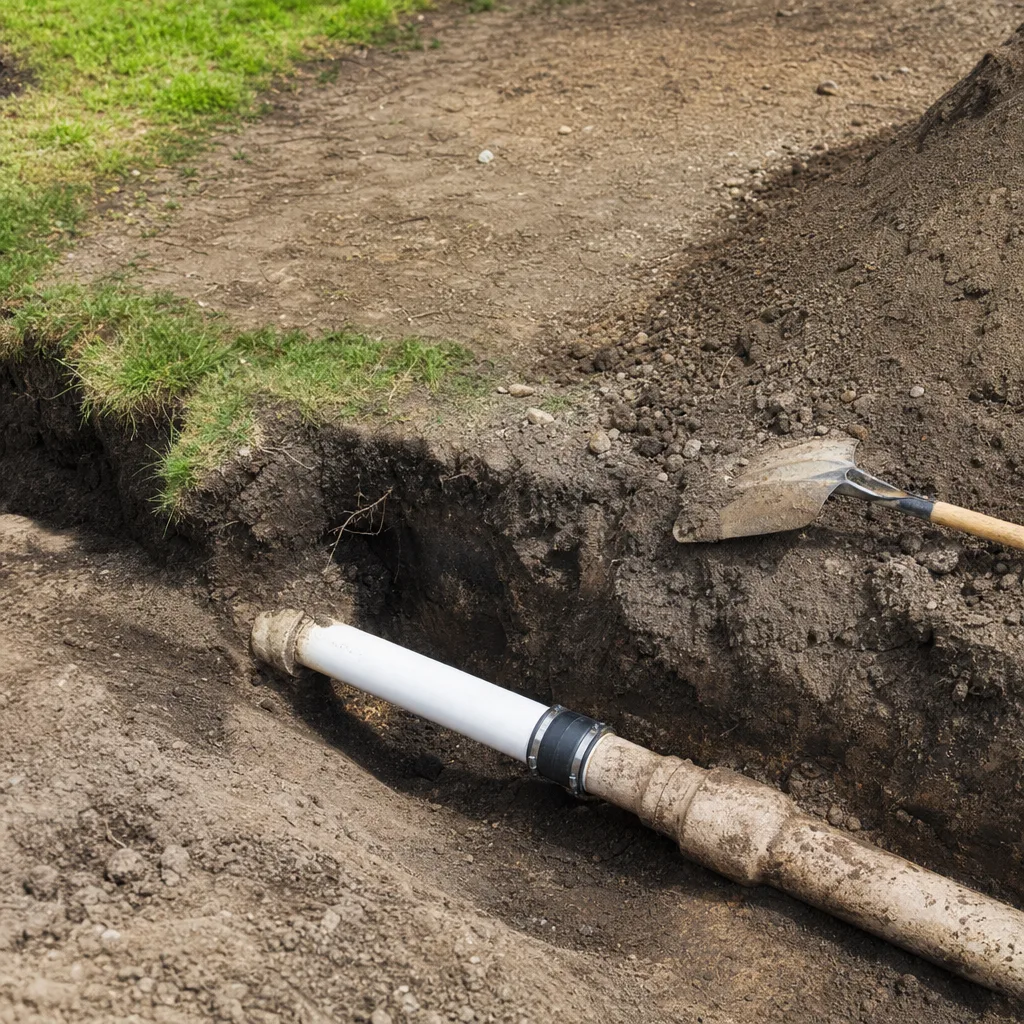
A spot repair fixes just the damaged section. The plumber digs down at the problem spot, cuts out the broken piece, and puts in new pipe. The rest of the line stays where it is.
This works well when the problem really is in one place. A single cracked joint where roots got in is a good example. So is one section crushed by a heavy vehicle or shifted by settling ground.
A full replacement swaps out the whole run of pipe from the house to the city connection or septic system. It’s a bigger job. It also means you’re not coming back next year for the next weak spot.
Here’s what tips the decision one way or the other:
- How many problem spots there are. One is a repair. Several spread out down the line usually point to replacement.
- What shape the rest of the pipe is in. If the good sections are thin, cracked, or sagging too, fixing one spot just moves the problem down the line.
- What the pipe is made of. Some older materials wear out along their whole length, so one failure is often a sign of more coming.
- Where the damage sits. A bad spot under open lawn is a very different job than one under a driveway, patio, or big tree.
Some lines can also be fixed without digging a long trench. Lining puts a new pipe surface inside the old one. Pipe bursting pulls new pipe through while breaking up the old pipe. Whether either one fits depends on the pipe’s condition, its shape, and what the camera shows about sags and breaks. A pipe that’s badly sagged or collapsed may still need to be dug up.
Cost follows the same factors. How deep the pipe is, how much of it needs work, and what’s sitting on top all move the price up or down. Breaking and replacing concrete costs more than putting sod back. Digging around tree roots takes more care than digging in open yard. Local permit and inspection requirements can add to the total too.
Here’s an honest way to think about it. Cheaper today isn’t always cheaper over time. Paying for three spot repairs in five years can cost more than one replacement would have. But replacing a line that only had one bad joint is money you didn’t need to spend.
That’s why we walk you through the footage before we recommend anything. You’ll see what we see, and you’ll know why we’re suggesting a repair or a replacement. Our licensed and bonded plumbers will give you a straight answer either way, and the estimate is free.
Watch Our Video
See How We Handle Sewer Line Repair in
Brandon’s Plumbing
What Drives Sewer Line Repair Cost
The biggest cost drivers are the ones the camera already shows you: how deep the pipe is, how much of it needs work, and what’s sitting on top. Beyond those, a few other things shape the number on your estimate. Knowing them helps you compare quotes fairly and avoid surprises.
Plumbers usually price sewer work one of two ways. Some give you one price for the whole job. Others break it into parts, like the inspection, digging, pipe, filling the trench, and cleanup.
Either way can be fair. What matters is that you know what’s included before work starts.
These items are the ones most likely to be left out of a quote or added later:
- Putting your yard back. Filling the trench is one thing. New sod, landscaping, or replacing a cut section of driveway or sidewalk is another.
- Permit and inspection fees, if the job needs them.
- Adding a cleanout if your house doesn’t have one. It gives easier access now and for any future work.
- Hauling away old pipe and extra dirt.
- Fixing a second problem that only shows up once the pipe is open.
Timing can change the price too. Across the trade, night and weekend emergency calls often cost more than a scheduled visit.
If sewage is backing up into your house, don’t wait. That’s what 24/7 emergency service is for, and we offer it. If your drains are slow but still working, scheduling the repair can give you time to get an estimate and think it over.
Surprises do happen with buried pipe. Sometimes the damage turns out bigger once the ground is open. A good plumber stops, shows you what they found, and talks it through with you before doing extra work.
If you’re comparing quotes, the lowest number isn’t always the lowest cost. Make sure each quote fixes the same problem, covers the same length of pipe, and includes the same cleanup. A cheap quote that leaves you with a torn-up yard, or a repair that misses the real problem, costs more in the end.
Ask these questions before you sign anything:
- Is this a set price, or could it change?
- What cleanup and yard repair are included?
- Are permit fees in this number?
- What happens if you find more damage once you dig?
Honest pricing matters to us, and our estimates are free. Ask us any of these questions. You should know what you’re paying for and why before a shovel ever hits the ground.
Frequently Asked Questions
Common questions about Sewer Line Repair
Will homeowners insurance cover a broken sewer line?
Usually not, unless the damage came from a covered event like a sudden backup that caused flooding inside your home. Most policies treat normal wear, root damage, and aging pipe as a maintenance issue, not something they’ll pay for. Some insurers offer a separate sewer line endorsement that covers these repairs, so it’s worth checking your policy before you assume you’re covered. Call your agent and ask specifically about sewer or water line coverage, since it’s often a separate add-on.
Can a clogged sewer line be fixed without digging up my yard?
Sometimes, depending on what the camera finds inside the pipe. If the line is a clog with no structural damage, drain cleaning or hydro jetting can clear it without any digging at all. If the camera shows a sagged or collapsed section, trenchless options like lining or pipe bursting may still work, but a badly damaged pipe may need to be dug up. The only way to know for sure is to look inside first, which is why we always start with a camera inspection before recommending a fix.
How long does a sewer line repair usually take?
It depends on whether you need a spot repair or a full line replacement. A spot repair, where just one damaged section gets cut out and replaced, is generally a shorter job than replacing the whole run of pipe from your house to the city connection or septic system. Depth, what’s sitting on top of the pipe, and how much of the line needs work all affect the timeline too. We’ll walk you through the camera footage first so you know what the job involves before work starts.